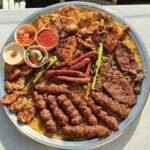
Few foods are as simple yet as important to South Asian cuisine as fresh chapati and naan. Soft, warm, and made to complement everything from rich curries to grilled meats, these traditional flatbreads are a staple on dining tables across Pakistan and India.
A perfectly prepared flatbread is more than just an accompaniment. Its texture, aroma, and freshness can completely change the dining experience. From the everyday chapati made at home to the soft, flavorful naan served at restaurants, mastering these breads is an art built on the right ingredients, careful preparation, and proper cooking techniques.
For anyone interested in a Pakistani flatbread recipe, understanding the basics of dough preparation and cooking can help recreate that authentic taste at home.
What Is Chapati?
Chapati is a traditional unleavened flatbread made primarily with whole wheat flour, water, and sometimes a small amount of salt or oil. It is typically rolled into a thin, round shape and cooked on a hot tawa or flat griddle.
Known for its light texture and earthy wheat flavor, chapati is an everyday staple in many South Asian households.
The secret to soft chapati is often found in the dough. Proper kneading, adequate resting time, and controlled cooking all contribute to the final texture.
What Is Pakistani Naan?
Naan is another beloved South Asian flatbread, but unlike traditional chapati, naan is generally made with refined flour and often includes ingredients such as yogurt, milk, oil, or yeast.
Pakistani naan is particularly popular alongside flavorful dishes such as chicken karahi, beef or chicken kebabs, nihari, butter chicken, and various types of Pakistani curries.
Naan is traditionally cooked in a very hot tandoor, which gives it its characteristic soft center, slightly crisp edges, and lightly charred surface.
The Difference Between Chapati and Naan
Although both are flatbreads, chapati and naan have distinct characteristics.
| Chapati | Naan |
| Usually made with whole wheat flour | Usually made with refined flour |
| Unleavened | Often leavened or made with yogurt |
| Thin and light | Thicker and softer |
| Usually cooked on a tawa | Traditionally cooked in a tandoor |
| Common everyday bread | Often served with special meals |
| Mild wheat flavor | Richer and slightly chewy texture |
Both breads have an important place in South Asian cuisine, and the choice often depends on the meal and personal preference.
Ingredients for a Traditional Pakistani Flatbread Recipe
A simple Pakistani flatbread recipe does not require complicated ingredients.
For chapati, the basic ingredients include:
Whole wheat flour
Water
A small amount of salt
Optional oil or ghee
For naan, ingredients may include:
All-purpose flour
Yogurt
Water or milk
Yeast or another leavening ingredient
Salt
Oil or ghee
The quality of the ingredients matters, but technique is equally important.
The Secret to Soft Chapati Dough
Making soft chapati begins with properly prepared dough.
Start by placing whole wheat flour into a mixing bowl. Gradually add water while mixing until the flour comes together into a soft dough. Avoid adding all the water at once because different types of flour absorb water differently.
Knead the dough until it becomes smooth and elastic. The dough should be soft without becoming excessively sticky.
Allowing the dough to rest before rolling is another important step. Resting gives the flour time to absorb the water properly and makes the dough easier to roll.
How to Make Round Bread of Pakistan
One of the most recognizable features of chapati is its round shape. Getting a perfectly circular chapati takes practice, but the process becomes easier with the right technique.
Divide the dough into small, equal portions and roll each portion into a smooth ball. Flatten the ball slightly and dust it lightly with flour.
Using a rolling pin, roll from the center outward while turning the dough gradually. Try to maintain even pressure so the chapati remains similar in thickness throughout.
The goal is a thin, evenly shaped circle rather than an extremely thin center with thick edges.
This traditional round bread of Pakistan is then ready to cook on a hot tawa.
How to Cook Perfect Chapati
Heat the tawa over medium-high heat before placing the rolled chapati on it.
Cook the first side until small bubbles begin to appear. Turn it over and allow the second side to cook. Depending on the cooking method and equipment, the chapati may then be placed directly over the flame briefly, allowing it to puff.
That familiar puff is often a sign that steam has formed inside the bread and cooked the interior.
Once finished, brush lightly with ghee if desired and keep the chapati covered with a clean cloth or in a covered container to retain softness.
How to Make Soft Pakistani Naan
Naan requires a slightly different approach because its dough is richer and generally thicker than chapati dough.
Combine the flour with yogurt, salt, a small amount of oil, and the appropriate liquid. If using yeast, allow the dough sufficient time to rise.
Knead until smooth, then cover and allow the dough to rest.
Once the dough has risen or rested adequately, divide it into portions. Roll or stretch each portion into the traditional naan shape.
For additional flavor, naan can be topped with:
Garlic
Fresh cilantro
Sesame seeds
Nigella seeds
Butter or ghee
Green chilies
Garlic naan is particularly popular because the buttery garlic topping adds another layer of flavor without overpowering the accompanying curry.
Why High Heat Matters
Whether preparing chapati or naan, temperature plays an important role.
A properly heated cooking surface allows the bread to cook quickly. If the surface is too cool, the bread may become dry or take too long to cook.
Naan traditionally benefits from extremely high heat in a tandoor. The intense heat creates the characteristic blistering and light charring associated with restaurant-style naan.
Chapati, on the other hand, is commonly prepared on a hot tawa, with direct heat sometimes used to encourage puffing.
Common Mistakes When Making Chapati
Even a simple flatbread can become difficult when a few basic steps are overlooked.
Using Too Much Flour
Excess flour during rolling can make chapati dry. Use enough flour to prevent sticking without coating the dough heavily.
Not Kneading Enough
Poorly kneaded dough may produce tough or uneven bread. Give the dough enough time to become smooth and flexible.
Skipping the Resting Period
Resting the dough can make a noticeable difference in texture and handling.
Cooking at the Wrong Temperature
A cold tawa can dry out the chapati, while excessive heat can burn the outside before the inside is properly cooked.
Rolling Unevenly
Uneven thickness can result in parts of the chapati cooking faster than others. Try to roll with consistent pressure.
How to Keep Chapati and Naan Soft
Fresh flatbread is best served immediately, but proper storage can help maintain its texture.
Place cooked chapati or naan in a covered container or wrap them in a clean kitchen towel. Keeping them covered prevents moisture from escaping too quickly.
If storing them for later, allow them to cool appropriately before placing them in an airtight container.
When reheating, a small amount of moisture can help prevent the bread from becoming excessively dry.
What to Serve With Pakistani Naan and Chapati
Flatbread becomes especially enjoyable when paired with flavorful Pakistani and South Asian dishes.
Some popular combinations include:
Chicken karahi with naan
Beef nihari with naan
Chicken tikka with naan
Seekh kebabs with naan
Daal with chapati
Aloo gosht with chapati
Chana masala with chapati
Mixed vegetable curry with chapati
Butter chicken with naan
Naan is especially useful for scooping up rich gravies, while chapati provides a lighter option for everyday meals.
The Role of Freshness
Freshly cooked flatbread has a texture that is difficult to replicate with packaged alternatives. The aroma of warm flour, the softness of the center, and the slightly crisp or toasted surface all contribute to the experience.
This is why freshly prepared naan and chapati remain an essential part of traditional South Asian dining.
At a restaurant, freshly cooked bread can also complement the flavors of the main dish rather than simply serving as a side item.
Chapati and Naan at Fusion Food
At Fusion Food, traditional South Asian flavors come together with a variety of dishes that pair naturally with fresh flatbreads.
Whether you’re enjoying a hearty curry, flavorful grilled items, or other Pakistani-inspired favorites, warm naan or chapati provides the perfect way to complete the meal.
The beauty of Pakistani cuisine is in these simple combinations: flavorful food, freshly prepared bread, and the shared experience of enjoying a meal together.
Final Thoughts
The art of making perfect chapati and naan comes down to a combination of good ingredients, properly prepared dough, patience, and cooking technique.
Chapati offers a simple, wholesome, everyday flatbread, while Pakistani naan brings a softer, richer texture that pairs beautifully with hearty curries and grilled dishes.
From the traditional round bread of Pakistan to soft, buttery naan fresh from the heat, these flatbreads continue to represent the warmth and comfort of South Asian cuisine.
For an authentic taste of Pakistani-inspired food and freshly prepared favorites, visit Fusion Food and enjoy the flavors that make every meal memorable.